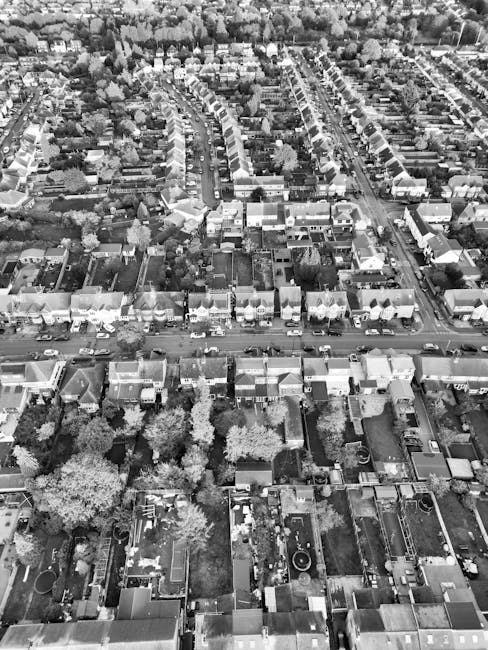
Lettings case study gardeners Ruislip quick garden turnaround
If you are dealing with a rental property that needs to look presentable fast, you already know the pressure. A viewing might be booked, a tenancy is ending, or a landlord wants the outside space tidied before new photos go live. This is where a lettings case study gardeners Ruislip quick garden turnaround becomes more than a nice idea. It is the difference between a garden that looks forgotten and one that helps a property feel ready, cared for, and easier to let.
In lettings, first impressions carry real weight. A front garden with overgrown edges, patchy mowing, or a messy rear space can make the whole property feel like more work than it needs to be. The good news? A targeted turnaround does not have to mean a full redesign. Often, it is about smart prioritising, quick wins, and using the right maintenance sequence. Let's walk through how it works, what matters most, and what landlords, letting agents, and property managers should expect.
Table of Contents
- Why this kind of garden turnaround matters
- How the quick turnaround process works
- Key benefits and practical advantages
- Who it is for and when it makes sense
- Step-by-step guidance
- Expert tips for better results
- Common mistakes to avoid
- Tools, resources and recommendations
- Law, compliance, standards and best practice
- Options, methods, or comparison table
- Case study or real-world example
- Practical checklist
- Conclusion
- Frequently asked questions
Why Lettings case study gardeners Ruislip quick garden turnaround Matters
In the lettings world, time and presentation are tightly linked. A garden that looks neat and usable can make a rental property feel more complete, even if the home itself has not changed at all. That matters for viewings, marketing photos, move-in days, and end-of-tenancy handovers. It also matters because small outdoor issues often create a bigger impression than their size suggests. A lawn that is slightly too long, for example, can quietly signal neglect. Strange how that works, but it does.
For landlords and agents in Ruislip, a quick turnaround is usually about reducing friction. You want fewer objections from prospective tenants, fewer comments in inspection reports, and a better chance of getting the property market-ready on schedule. A tidy garden can also help with safety and access. Overgrown paths, low branches, slippery debris, and hidden waste are not just visual problems; they can become practical ones very quickly.
There is also a commercial angle. A presentable garden supports the wider property image. If the interior has been refurbished but the outside looks rough, the whole lettings package feels uneven. In rental marketing, that imbalance can be surprisingly costly. People notice, even if they do not say it out loud.
Expert summary: A quick lettings garden turnaround works best when it focuses on the visible priorities first: clear access, a clean lawn edge, controlled hedges, waste removal, and a simple finish that photographs well.
For broader service planning, many property teams use a general services overview to match the right type of garden work with the condition of the site. If the outside space is badly cluttered, a more intensive garden clearance approach may be needed before any finer finishing work starts.
How Lettings case study gardeners Ruislip quick garden turnaround Works
A proper turnaround is usually a sequence, not a single job. That is the bit people miss. If you just mow the lawn without removing waste or cutting back the edges, the result can still look unfinished. On the other hand, if you clear everything before deciding what to trim, you may waste time on areas that do not affect the final presentation. The best method is balanced and practical.
In lettings work, the sequence usually begins with an assessment. The gardener looks at access, grass length, hedge growth, weeds, fallen branches, rubbish, and anything that might affect photos or viewings. After that, the highest-impact tasks are tackled first. This may include mowing, edging, hedge trimming, clearance of debris, and simple tidy-up work around paths or patios. If the property has more structured outdoor features, such as a seating area or boundary planting, these may need a little more attention.
For properties that need regular upkeep rather than a one-off rescue, a steady garden maintenance plan can prevent the same problem from reappearing every few months. And to be fair, that is often the less stressful route in the long run.
Sometimes the difference between a passable garden and a lettings-ready one is in the detail. A hedge trimmed back by a sensible amount, a fence line cleared of stray growth, and lawn clippings removed rather than left behind can shift the whole feel of the space. Not glamorous. Just effective.
Key Benefits and Practical Advantages
A quick turnaround has several practical gains, especially for rental properties where deadlines are tight and standards need to stay consistent. The obvious benefit is appearance. A clean, open garden photographs better and gives viewers more confidence. But there are other advantages too.
- Faster readiness: The property can move to market sooner, which is helpful if void periods are a concern.
- Better viewing experience: Outdoor space feels more usable when it is tidy and accessible.
- Reduced maintenance complaints: Tenants are less likely to complain about an area that already looks under control.
- Improved safety: Clear paths, shorter grass, and cut-back growth reduce trip and snag risks.
- Lower stress for agents and landlords: A focused plan is easier to schedule around referencing, inventory work, and photography.
- Stronger property presentation: A neat exterior makes the whole home feel better managed.
There is also a subtle benefit that gets overlooked: confidence. When a lettings team knows the garden has been properly handled, they can stop worrying about the outside space distracting from the rest of the property. That sounds small, but it changes how viewings feel.
Where relevant, the work can be complemented by lawn mowing for the main visual surface, hedge trimming for shape and boundary control, and tree lopping and removal where branches, shading, or safety issues are getting in the way. If the garden also needs a structural refresh, landscape gardening can help turn a tired, awkward outdoor area into something easier to maintain.
Who This Is For and When It Makes Sense
This type of work is most useful for landlords, letting agents, property managers, and build-to-rent teams. It also helps homeowners preparing a former rental property for sale, because a neat garden is one of those things that quietly improves overall perception. Not every garden needs a full rebuild. Many just need a sensible reset.
It makes the most sense when one or more of these apply:
- a tenant has just moved out and the next tenancy needs to start quickly
- viewings are booked and the garden looks neglected
- there is an inspection coming up and you want a tidy, defensible standard
- the outside space has become overgrown during a vacancy
- you need one provider to handle multiple outdoor tasks in a short window
- the garden is presentable in theory, but not in practice
There is a difference between a cosmetic tidy-up and a garden that genuinely supports lettings performance. A quick turnaround is the right move when you need impact fast. If the garden is badly damaged, unsafe, or poorly designed, then the answer may be more than maintenance. In that case, a longer-term landscaping or decking services project may be worth considering once the immediate issue is under control.
Step-by-Step Guidance
Here is a practical way to approach a lettings garden turnaround without overcomplicating it.
- Assess the property fast. Walk the whole garden, front and back, and note what affects first impressions most.
- Identify the non-negotiables. These are the things that must be done before photos or viewings: waste removal, mowing, edging, cutting back overgrowth, and clearing access routes.
- Separate visual work from structural work. If something can wait, park it. Quick turnaround work is about priority, not perfection.
- Clear the site. Remove loose rubbish, old pots, broken plant material, and anything left behind after a tenancy.
- Cut back the growth that dominates the view. Hedges, boundary shrubs, and low branches often have the biggest visual impact.
- Finish the lawn and edges. This is where a garden starts to look intentional rather than merely cut.
- Check access and safety. Make sure paths, steps, and doors are easy to use.
- Do a photo test. Step back and look at the space as a viewer would. If it still looks cluttered, there is usually one more thing to remove or trim.
- Plan the follow-up. If the site will need ongoing upkeep, arrange a maintenance rhythm before it slips back.
That last step is where many lettings teams save themselves trouble. A one-off tidy is useful, absolutely. But a repeat pattern is what keeps the property rental-ready. Even a modest schedule can stop the garden from bouncing back into chaos two weeks later, which, honestly, happens more often than people like to admit.
Expert Tips for Better Results
Small choices make a big difference in quick-turnaround work. The aim is not to make the garden look heavily styled. It is to make it look clean, balanced, and easy to understand at a glance. When someone walks through or sees the photos, they should not have to think too hard about the garden. That is the whole point.
Focus on the front-facing view first
Front gardens, entrance routes, and the first photo in the listing tend to carry the most weight. A few minutes spent here can matter more than an hour in a hidden corner.
Use tidy lines rather than overworking the space
Straight edges, defined borders, and consistent grass height make a garden look orderly. Over-cutting or over-shaping can create a patchy result, so a light, confident finish usually works better.
Leave the garden looking usable
Some quick jobs overdo the clearing and leave the space looking bare. In lettings, people like to see that the garden has potential, not just that it has been emptied out.
Do not ignore waste removal
Clippings, branches, bags of debris, and old tenant leftovers can undo the effect of an otherwise decent job. The smell of fresh cut grass is nice; a pile of damp waste in the corner is not.
Match the work to the tenancy timeline
If move-in is imminent, prioritise speed and safety. If there is a little more time, you can add a more polished finish. Simple but true.
Be realistic about what can be saved
Not every plant bed or patch of lawn can be restored in one visit. A good gardener will tell you where a fast turnaround ends and where deeper work begins. That honesty matters.
Common Mistakes to Avoid
A lot of lettings garden issues come from trying to do too much, too late, or without a clear order. The result can still be messy, just in a different way.
- Leaving the job until the last minute: Rush always shows. Even if the garden is small, panic jobs tend to miss the details.
- Cutting without clearing: Mowing around debris looks untidy and can hide problems rather than solve them.
- Ignoring the boundary lines: Hedges and edges frame the garden, so if they look rough the whole space feels rough.
- Forgetting the practical route: Viewers notice blocked access, narrow paths, and awkward overgrowth near doors.
- Assuming one visit fixes everything: A turnaround is a reset, not always a full cure.
- Using the wrong level of intervention: Some gardens need clearance, others just need maintenance. Mixing the two up wastes time and money.
One of the biggest mistakes is not agreeing the goal in advance. If the brief is "make it ready for photos", the work will be different from "make it ready for new tenants with minimal follow-up". That distinction sounds obvious, but in real life it gets muddled more often than you'd expect.
Tools, Resources and Recommendations
You do not need an endless toolkit for a good turnaround. You need the right tools, and you need to use them in the right order. For a professional lettings job, that usually means a combination of mowing equipment, trimmers, rakes, waste bags, edging tools, and safe access equipment where appropriate. If there are larger cuts or unstable branches involved, the work should be handled with care and the right process.
For ongoing management, a few practical resources help:
- Property inspection notes: These help track recurring garden issues.
- Photo records: Before-and-after images make it easier to decide what level of work is needed next time.
- Maintenance schedules: A simple monthly or seasonal rhythm can prevent avoidable overgrowth.
- Clear scope notes: A brief written brief avoids confusion about what is included.
If the property also has problems with access, rubbish accumulation, or large amounts of unwanted growth, a dedicated garden clearance may be the cleanest starting point. And if the outside space needs a gentler, recurring approach, regular garden maintenance is often the steadier long-term answer.
One practical recommendation: keep the brief outcome-led. Instead of saying "tidy the garden", say "make the front and rear garden ready for photos, remove waste, cut back access routes, and leave the lawn presentable". That gives everyone the same target. Less guessing. Fewer surprises.
Law, Compliance, Standards and Best Practice
For lettings work, the legal and compliance side is usually less about the garden looking pretty and more about keeping the property safe and suitable for occupation. You do not need to turn a simple tidy-up into a legal seminar, but you do need a sensible standard of care. In UK lettings, landlords and agents should be mindful of safety, access, waste handling, and any work that might affect the condition of the property or the wellbeing of tenants and contractors.
That means a few straightforward things in practice:
- paths and entrances should remain reasonably clear
- hazards such as unstable branches or hidden debris should be addressed
- waste should be disposed of responsibly
- work should be carried out with appropriate care around occupied or vacant properties
- if tree work or larger clearance is needed, the right safety approach should be used
It is also sensible to use providers who are clear about their own procedures for health and safety, insurance and safety, recycling and sustainability, and payment and security. Those pages matter because they show how the business operates behind the scenes, which is useful when you are trusting someone to work on a rental asset. If there is ever a disagreement about what was agreed, the terms and conditions should also be easy to understand.
Best practice is simple: document the brief, clarify the timing, note any access restrictions, and make sure the end result is safe as well as neat. A garden can look fine in a photo and still be awkward to walk through. The safer, clearer version is usually the better one.
Options, Methods, or Comparison Table
Not every lettings property needs the same type of outdoor intervention. Here is a practical comparison that helps choose the right path.
| Approach | Best for | Typical outcome | Watch out for |
|---|---|---|---|
| Quick tidy-up | Minor overgrowth, light debris, viewings, photography | Cleaner presentation, faster turnaround | May not solve deeper neglect |
| Garden clearance | Vacant properties, heavy clutter, neglected plots | Space becomes usable again | Can be more disruptive and labour-heavy |
| Ongoing maintenance | Lettings portfolios, regular inspections, repeat tenancies | Stable standards over time | Needs planning and consistency |
| Landscape improvement | Poor layout, awkward use of space, repeated visual issues | More functional and attractive garden | Usually takes longer and costs more |
As a rule of thumb, if the garden is just tired, start with a turnaround. If it has become unusable, start with clearance. If it keeps slipping back, maintenance is the real fix. And if the layout itself is the problem, then landscape work is the longer-term answer. Not everything needs to be solved in one go, thank goodness.
Case Study or Real-World Example
Here is a realistic lettings example, based on the kind of brief that comes up often in Ruislip. A landlord has a mid-terrace rental with a small front garden and a rear space that has been left unattended after the previous tenant moved out. The property is due to be photographed in a few days, and a viewing block has already been arranged. The issue is not dramatic, but it is enough to drag down the listing: the grass is long, the hedge line is untidy, there is old leaf litter, and a few bits of forgotten garden waste are still sitting near the fence.
The priorities are straightforward. First, the team clears loose debris and anything left behind that should not be there. Then the lawn is cut and edged so the boundaries feel crisp rather than fuzzy. The hedge is trimmed back enough to open the view without stripping out privacy. Access routes are cleared, and the final pass is about small details: sweeping up clippings, checking corners, and removing anything that catches the eye in a photo. The garden does not become a showpiece. It simply stops working against the property.
That is what a good turnaround often looks like. No drama. No grand redesign. Just a careful reset that helps the rental present well on time.
What matters most in this kind of example is that the outdoor space now supports the lettings process instead of complicating it. The property feels easier to trust, easier to show, and easier to move forward. That can be enough to make a real difference.
Practical Checklist
Use this checklist before a viewing, photo session, or new tenancy start. It keeps the work focused and stops people from missing the obvious stuff.
- Have you walked the entire garden from front to back?
- Is the access route clear and safe?
- Has the lawn been cut to a presentable height?
- Are the edges trimmed and visible?
- Have hedges and boundary plants been reduced where they block the view?
- Has loose waste, rubble, or leftover tenant debris been removed?
- Are paths, steps, and entrances free from clutter?
- Have all clippings and cut material been cleared away?
- Does the garden look tidy in a photo, not just in person?
- Is there a plan for ongoing maintenance after the turnaround?
If you can tick most of those quickly, you are in a good place. If not, the site probably needs a more structured visit rather than a rushed patch-up.
For property teams that want a broader relationship with a trusted local provider, it can also help to understand the business background through the about us page and to make contact when the brief is ready via the contact us page. That is the sensible next move when timing matters and there is not much room for guesswork.
Conclusion
A lettings garden turnaround is not about chasing perfection. It is about making a property feel ready, safe, and well cared for at exactly the moment it needs to perform. In Ruislip, where rental presentation can influence viewings, enquiries, and overall confidence, a quick garden reset is often one of the most practical jobs you can arrange.
The strongest results usually come from simple priorities: clear the clutter, control the growth, sharpen the edges, and leave the space easy to understand. If you do that well, the garden starts helping the letting instead of distracting from it. And honestly, that is half the battle.
When the next tenancy, viewing, or inspection is close, a clear plan and a steady hand make all the difference. A garden does not need to be fancy to do its job. It just needs to look cared for.
Get a free quote today and see how much you can save.
Frequently Asked Questions
What is a lettings garden turnaround?
It is a focused garden tidy-up designed to get a rental property looking presentable quickly. The work usually centres on mowing, trimming, clearing waste, and improving the overall appearance before viewings or new tenants arrive.
How fast can a quick garden turnaround usually happen?
That depends on the size and condition of the garden, access, and the amount of clearance needed. A small, lightly untidy garden can often be handled much faster than one that has been left for months. The main thing is to agree the goal upfront.
Is a quick turnaround the same as full garden maintenance?
No. A turnaround is usually a one-off reset for a specific deadline, while maintenance is ongoing work to keep the garden in a stable condition. Both are useful, but they solve different problems.
What should landlords prioritise first?
Start with anything that affects first impressions and access. That usually means removing waste, cutting back overgrowth, mowing the lawn, and making paths or entrances clear. If there is time left, you can refine the finish.
Do lettings agents really care about the garden that much?
Usually, yes. The outside space forms part of the property's overall impression. A neat garden can make a property feel easier to rent, while a messy one can raise doubts before someone even steps inside.
When does garden clearance make more sense than a tidy-up?
If the garden is heavily cluttered, neglected, or difficult to access, clearance is often the better starting point. A basic tidy-up can struggle if there is simply too much material in the way.
Can a small garden still benefit from quick turnaround work?
Absolutely. Small gardens can look especially good after a tidy because every detail is visible. A sharp edge, clean surface, and well-kept boundary can make a compact space feel much bigger.
What if the garden keeps getting messy between tenancies?
That is where a regular maintenance schedule helps. One-off work solves the immediate problem, but repeated upkeep prevents the same scramble happening every time a tenancy changes.
Are there safety issues to think about?
Yes. Overgrown paths, low branches, unstable debris, and hidden clutter can all create avoidable risk. Good practice is to deal with those issues as part of the turnaround rather than treating them as separate problems later.
Should I choose landscaping instead of maintenance?
If the layout is awkward, the garden is difficult to use, or the current design keeps causing the same problems, landscaping may be the better long-term option. If the issue is mainly tidiness, maintenance is usually enough.
What makes a turnaround look professional rather than rushed?
It is usually the finishing work. Clear clippings, tidy borders, even mowing, and obvious attention to the main viewing angles all help. A rushed job tends to miss the edges and leaves the garden looking half-done.
How do I know what to ask for when booking the work?
Be specific about the outcome you want. For example, say whether the garden needs to be ready for photos, viewings, or a tenancy handover. That makes it much easier to match the job to the deadline and avoid confusion.