Gardening Services in Ruislip

Gardening Services in Ruislip should feel straightforward to arrange and clear to understand, whether you need routine upkeep or a one-off refresh for an outdoor space. Our work covers practical garden care with a focus on keeping planting, lawns, edges and access areas in tidy condition. If you are planning regular support or a specific seasonal task, we can help shape the work into a sensible scope. Clarity, tidy workmanship and the right level of maintenance are the foundations of a good result.
We provide garden care that is built around the tasks most homeowners and landlords ask for: mowing, hedge trimming, garden clearance, general maintenance and related outdoor tidying. Some gardens need frequent attention to stay manageable, while others only need help after a period of neglect or after growth has become uneven. The service is designed to handle both approaches carefully, so the finished result looks ordered without overcomplicating the process.
For a new project, the simplest approach is to decide what needs attention first. Grass, hedges, borders, overgrowth and waste removal are often the main points that shape the work, and the most useful quotation is one that reflects the real condition of the garden. Tell us what you want improved, and we can put the work into a clear plan before anything is started.
Routine garden maintenance and seasonal care
Routine garden maintenance helps keep outdoor areas usable, presentable and easier to manage over time. It can include mowing, edging, weeding, light pruning, deadheading, leaf clearing and general tidying around paths, borders and sitting areas. The exact mix depends on the garden itself, but the aim is always the same: maintain a neat appearance and stop small tasks becoming larger jobs.
Seasonal care is often where a garden benefits most from consistent attention. Spring growth, summer trimming and autumn leaf fall can each change how much work is needed and when it should happen. Rather than treating every visit as identical, we can focus on the tasks that make the most difference at that point in the year. If you want a single visit or ongoing support, keep the work practical and targeted.
What a maintenance visit can cover
Typical maintenance work is best approached in a sensible order. A useful visit might begin with cutting back obvious growth, then moving on to surfaces, borders and finishing details that make the whole space feel cared for. Common tasks may include:
- grass cutting and edge finishing
- hedge trimming and light shaping
- border tidying and weed control
- leaf and debris removal
- general garden tidy-up work
Lawn mowing and regular grass care

Lawn mowing is one of the most common parts of garden care, but it is not only about cutting grass to a shorter height. A well-kept lawn usually depends on regular attention, neat edges and sensible handling of clippings and access routes. Where the grass has become long or patchy, the approach may need adjusting so the cut is even and the finish is not damaged by rushing the task.
Different lawns call for different levels of care. Some are simple open lawns, while others sit around trees, borders, steps or narrow paths that need more careful handling. We can work around these features and keep the mowing consistent with the shape of the garden. If you would like a clearer picture of how the lawn could be maintained across the season, a quotation can be based on the area that actually needs attention rather than a generic estimate.
Healthy-looking grass also depends on the small details after mowing. Edges, corners and adjoining borders can make a big difference to the overall finish, especially where a lawn meets paving or planting. A tidy cut with well-defined edges gives the garden a more orderly appearance and makes later maintenance simpler.
Hedge trimming and shaping work
Hedge trimming is useful both for appearance and for keeping growth under control. Some hedges need only a light trim to stay even, while others require more substantial cutting back to restore shape and stop them from crowding paths, driveways or garden boundaries. The right approach depends on the plant type, the size of the hedge and how much growth has developed since the last cut.
Shaping matters as much as cutting. A hedge that is trimmed carelessly can end up uneven, thin in the wrong places or awkwardly squared-off. Our aim is to keep the hedge looking balanced and to manage it in a way that supports future growth. For hedges that have not been cut in some time, the work may need to be staged rather than forced into a single harsh reduction.
Where hedge work is part of a broader garden tidy-up, it often makes sense to combine it with clearance and waste collection. That way, the garden can be left in a better state without leaving piles of cuttings behind. If you are comparing options, ask for the practical scope first and then decide whether the hedge should be treated as a standalone task or as part of a wider maintenance visit.
Garden clearance for overgrowth and untidy spaces
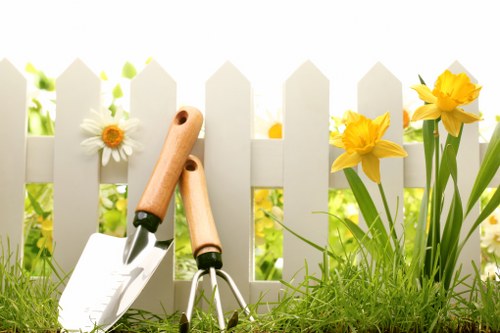
Garden clearance is the right choice when a space needs more than routine trimming. Overgrown beds, accumulated debris, broken plant material and neglected corners can make a garden difficult to use and awkward to maintain. Clearance work focuses on removing what is no longer wanted, opening up the space and preparing it for the next stage of care, whether that is maintenance, replanting or a full refresh.
This type of work can vary a great deal. In one garden, clearance may mean removing seasonal waste and tidying a few tired borders. In another, it may involve cutting back dense growth, clearing access routes and dealing with a much larger amount of organic material. A clear quotation is especially helpful here because the time, tools and waste handling can all change depending on how much material is involved.
Useful information to have ready is simple and practical. If you are asking for garden clearance, it helps to note which areas need attention, whether there is easy access to the space and whether the job includes waste removal. This does not need to be overcomplicated: a straightforward description is usually enough for us to understand the likely work and prepare properly.
Landscape gardening and garden improvement
Landscape gardening is a broader type of outdoor improvement that can reshape how a garden is used and maintained. It may involve altering planting areas, improving structure, refreshing edges or creating a more practical layout for everyday use. The exact work depends on the garden and on the changes you want to make, but the overall goal is usually to produce a space that looks more coherent and functions better.
Some customers want a modest transformation rather than a full redesign. That might mean improving one section at a time, introducing cleaner lines around paths or changing an awkward area into something easier to keep tidy. Other projects are more ambitious and involve several parts of the garden working together. Wherever possible, we keep the work realistic and focused, so the finished result matches the garden rather than trying to force a style that does not suit it.
Planning is easier when the improvement is broken into steps. A clear sequence might start with clearance, move on to shaping and then finish with planting or surface improvements. This approach keeps the project manageable and makes it easier to understand where time is being spent. If you are considering a larger change, it is worth thinking first about the most important part of the garden and building from there.
About Ruislip
Ruislip is a suburban district in the London Borough of Hillingdon, in west London, with a long history that is still visible in its surviving historic buildings, green spaces and village-like centre. The name appears in medieval records, and the area developed from an early settlement into a settled suburban community as transport links improved in the twentieth century. One of the best-known historic buildings is Ruislip Lido, a large reservoir and country park area that has become a local leisure landscape, while the remains of the manor complex and parish church reflect the older settlement pattern. The parish church of St Martin dates back to the Norman period, and the village centre still retains a sense of continuity through older streets, listed buildings and the arrangement around the high street and common areas. Ruislip Lido itself is associated with a former reservoir created in the nineteenth century, later adapted for recreation, and it remains a notable open space with woodland edges and a miniature railway. South Ruislip, Eastcote and Ruislip Manor are nearby districts that form part of the wider urban area, but Ruislip village keeps its own distinct identity through the historic core and surrounding commons. The area is also known for the group of commons that includes Ruislip Common, Copse Wood and Mad Bess Wood, which preserve woodland character within a heavily developed part of outer London. These green spaces, together with the canal and transport corridors nearby, give the district a balance of urban convenience and older landscape features.
Tree work and controlled removal

Tree work needs careful judgement because even minor changes can alter the appearance, balance and light levels in a garden. Tree lopping and removal may be appropriate where growth has become too heavy, branches are interfering with nearby areas or a tree is no longer suited to the space. The precise method depends on the tree, its condition and how much material needs to be dealt with.
Where a tree is being reduced rather than removed, the intention is usually to improve safety and manage size while keeping the tree in good form. Removal is a different decision and is normally only sensible when the tree is problematic, unsuitable or no longer wanted. In either case, the work should be handled in a controlled way and with attention to the surrounding garden, fencing and planting. If the task involves more than one tree or a mix of tree and hedge work, it helps to describe the whole area clearly.
Because tree work can create a substantial amount of waste, it often links naturally with clearance and tidying. The garden may need a final sweep through to remove small debris, fallen leaves and cuttings. Keeping this final stage in mind helps the space look finished, rather than merely cut back.
Decking and the spaces around it
Decking services are useful when a garden needs a defined outdoor surface for seating, access or a cleaner transition between the house and the rest of the plot. Decking can make awkward ground feel more usable, but it also needs to be treated as part of the wider garden layout. The area around the boards, steps and edges should be kept in mind so that the finished space remains practical rather than difficult to maintain.
Where decking is already in place, the surrounding garden care often matters just as much as the surface itself. Growth can press into the edges, collect in corners or obscure the lines that make the area look smart. Routine maintenance around decking helps preserve access and keeps the space from feeling cramped. If a garden contains both planted areas and hard landscaping, a well-balanced maintenance plan can stop one part from overwhelming the other.
It can also be helpful to think about how the deck sits beside lawns, borders or paths. A tidy interface between these areas makes the whole garden easier to read and use. When the surface, edges and nearby planting are all considered together, the result is a more coherent outdoor area. Small details matter here, especially where movement and visibility are important.
Quoting, access and practical arrangements
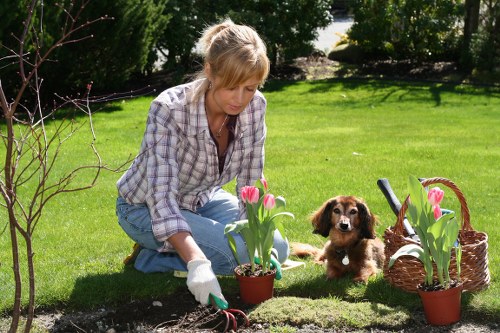
Pricing for garden work usually depends on the scope of the task, the amount of growth or waste involved, the type of equipment needed and the time it is likely to take. A small tidy-up, a regular mowing visit and a full clearance job are very different pieces of work, so it is sensible to base the quotation on the actual condition of the garden rather than on a broad description alone. That makes the estimate more useful and reduces avoidable surprises later on.
To prepare a quotation, it is often enough to describe the main areas that need attention and any limitations that might affect access or waste removal. If the garden has narrow paths, large items to clear or sections that need special care, mention those points clearly. For larger or more complex work, a short note about what matters most helps ensure the quotation reflects the real job. Clear details help the scope stay accurate and keep the work organised from the start.
If you are ready to move forward, request a quotation with the main tasks you want covered. You can also use our contact page for general enquiries, or visit our services overview if you want a broader look at the options before deciding. Tell us what the garden needs, and we can help from there.