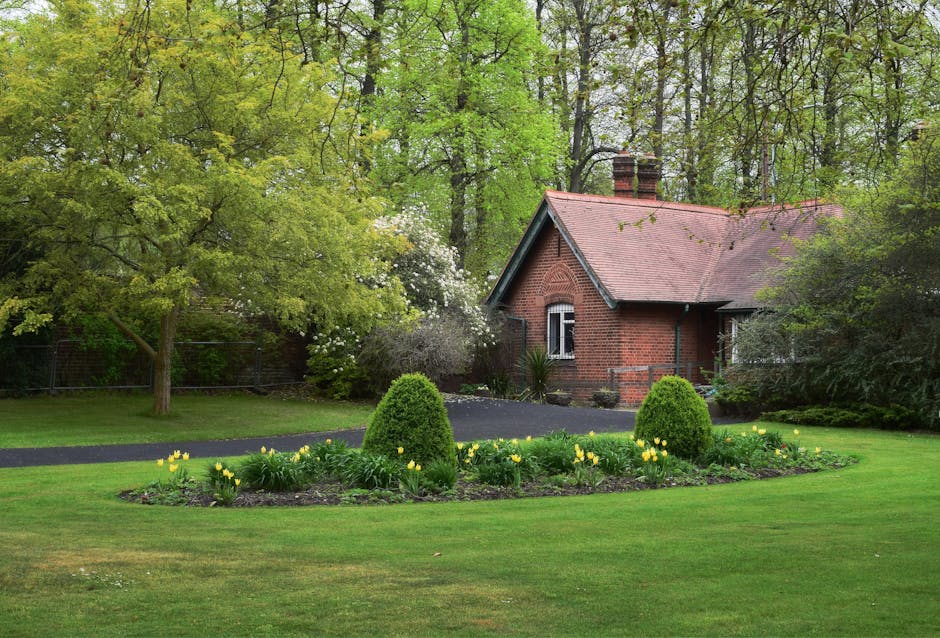
Gardeners serving Ruislip Gardens station properties: a practical guide for busy homeowners, landlords, and local residents
If you live near Ruislip Gardens station, you already know the rhythm of the area: commuters in a hurry, tighter front gardens, side access that can be awkward, and outdoor spaces that still need proper care even when time is short. That is where Gardeners serving Ruislip Gardens station properties become genuinely useful. Not just for mowing grass or trimming a hedge, but for keeping small and medium-sized gardens neat, healthy, and manageable all year round.
This guide explains what local garden services usually cover, why station-area properties have their own quirks, and how to choose the right type of help without overpaying or ending up with a patchy result. You will also find a step-by-step process, practical tips, a comparison table, and a checklist you can actually use. Simple enough. Useful enough too.
Why Gardeners serving Ruislip Gardens station properties Matters
Station-adjacent homes tend to face a very particular mix of pressures. There may be less front-garden depth, more foot traffic nearby, limited parking for work vehicles, and a real need to keep the front of the property looking tidy at all times. If you are close to Ruislip Gardens station, the garden often does more than look pretty. It shapes first impressions, supports privacy, and can even affect how calm the home feels after a noisy commute. Let's face it, a scruffy hedge next to a busy road or station route can feel twice as noticeable.
There is also the simple reality of time. People living near transport links are often commuting, travelling, or juggling hybrid work schedules. A garden that only gets looked at "when there's a spare weekend" tends to drift. Grass gets long, borders get muddy, hedges begin to lean, and suddenly the job feels bigger than it should. Regular garden care prevents that spiral.
For landlords and property managers, the stakes are a little different. A neat outdoor space can support viewings, reduce complaints, and help a rental property feel looked after. For homeowners, the benefit is less financial and more emotional: a garden that is ready to use, not another chore hanging over your head.
Key point: station-area gardens usually need a maintenance approach that is efficient, reliable, and repeatable rather than occasional, all-day overhaul work.
How Gardeners serving Ruislip Gardens station properties Works
In practice, local gardening support usually starts with a quick understanding of the property layout and the condition of the garden. A front garden with a small lawn and hedging needs a different rhythm from a rear garden with mature shrubs, paving, and a few awkward corners. Good gardeners will look at access, waste removal, timing, and whether the garden needs maintenance, clearance, or a bit of both.
A typical visit might include mowing, edging, hedge trimming, weeding, pruning, sweeping paths, tidying borders, and removing green waste. If the space has been neglected, a one-off clearance may come first, followed by a maintenance schedule. That way, the job is not just "fixed once" but brought back under control and kept there. Honestly, that is usually the most sensible route.
Many station properties also benefit from a lighter but more frequent service. A garden that is small in size can still become untidy quickly if it is left for too long. A short regular visit can often do more than an occasional major cutback. You notice it in the details: cleaner edges, healthier planting, and fewer weekend battles with brambles and overgrowth.
For broader outdoor improvement, some properties also combine care services with landscaping or landscape gardening where the garden needs more than maintenance alone.
Key Benefits and Practical Advantages
There is a practical case for professional garden help, but there is also a quality-of-life argument. The best garden maintenance does not just make a space look better; it makes it easier to live with. Here is what that usually means in real terms.
- Consistent kerb appeal: A tidy frontage keeps the property looking cared for, even during a busy week.
- Less weekend catch-up work: Instead of spending half a Saturday wrestling with tall grass and a blunt hedge trimmer, you get your time back.
- Better plant health: Regular pruning and weeding can stop small issues from turning into larger problems.
- Safer outdoor spaces: Clearing paths, removing trip hazards, and keeping shrubs under control helps day-to-day use.
- More privacy and comfort: A well-managed hedge or screen planting can soften street-facing exposure.
- Useful for rentals and sales: Gardens can influence how a property feels during viewings, even when they are modest in size.
There is a quieter benefit too: a sense of order. A clean, well-kept garden does something for the mood of the home. You step outside with a coffee in the morning, and it feels intentional rather than neglected. Small thing, maybe. But not really small when you live with it every day.
If waste disposal matters because you are clearing several beds or doing a seasonal reset, services such as garden clearance and recycling and sustainability can make the job cleaner and more responsible.
Who This Is For and When It Makes Sense
This kind of local gardening support suits quite a wide range of people, but the strongest fit is usually for properties that need dependable upkeep rather than occasional dramatic transformations.
- Busy homeowners: If your garden keeps slipping to the bottom of the list, regular help can stop the backlog.
- Landlords: A tidy garden helps maintain a presentable rental without turning every tenancy changeover into a scramble.
- Older residents: Some tasks simply get harder over time, especially hedge cutting, clearing heavy waste, or climbing step ladders to reach awkward corners.
- Families: It is easier to enjoy a usable garden when it is kept under control and safe for children.
- Property managers: External areas need to be dependable, not seasonal guesswork.
It makes sense when you have one or more of these signals: the garden looks fine for a week and then slips quickly, the front boundary is becoming too heavy, weeds are spreading across paving, or you simply do not want garden work to dominate your free time. Do you really want to spend every dry Saturday catching up? Probably not.
Some people only need help in spring and autumn. Others benefit from monthly or fortnightly visits. There is no magic formula. The right schedule depends on planting style, garden size, and how much maintenance you personally want to take on.
Step-by-Step Guidance
1) Start with the problem, not the service list
Before booking anything, identify what is actually bothering you. Is it the lawn? The hedge? The whole garden feeling overrun? A clear brief saves time and helps avoid paying for the wrong type of work.
2) Assess access and waste
Station-area properties can have narrow side access, limited parking, or shared boundaries. These details matter because they affect how long the job takes and how green waste will be removed. If a gardener can load waste easily, the visit tends to be smoother. If not, the job may need a more tailored plan.
3) Decide whether you need clearance or maintenance
This is a big one. If the garden is heavily overgrown, maintenance alone will not be enough. You may need a first visit focused on clearance, followed by ongoing care. This avoids the awkward half-finished look that comes from only trimming the top layer and hoping for the best. Spoiler: it rarely works.
4) Ask how the work will be scheduled
Regularity matters. A well-timed visit every few weeks can keep growth under control far more effectively than infrequent deep cuts. If your garden is small, you may only need a lighter schedule. If it has established shrubs or a fast-growing hedge, plan for more regular attention.
5) Confirm what is included
Do not assume every gardener includes the same tasks. Some cover mowing and edging. Others include pruning, leaf clearance, and waste removal. A clear scope avoids confusion later and helps you compare quotes fairly.
6) Review the result after the first visit
Once the work is done, step outside and look at the garden as a user would. Is the lawn even? Are the edges tidy? Are paths clear? Has the work improved access as well as appearance? A good first job makes the next one easier. That is the real test.
Expert Tips for Better Results
In our experience, the gardens that stay in good shape are not always the ones with the biggest budgets. They are the ones with a clear routine and a few sensible choices made early on.
- Keep hedges slightly smaller than you think you need: A hedge that is already too large is harder to maintain and can start shading nearby plants.
- Use planting that suits the pace of the property: If nobody wants constant care, go for lower-maintenance shrubs and robust ground cover rather than high-drama planting that needs constant fussing.
- Book garden work before everything peaks: Spring growth can run away fast. If you wait until the garden looks wild, the job becomes more expensive and more tiring.
- Clear the edges first: Small details make a huge difference. A clean lawn edge and weed-free path often change the whole feel of the garden.
- Think in seasons, not emergencies: Gardens are easier to manage when they are treated as an ongoing system rather than a panic project.
If your priority is a better-looking lawn, pairing mowing with proper feeding and seasonal care can help. You do not need to overcomplicate it, just keep it steady. A lot of people try to "fix" a lawn once a year and then wonder why it never quite behaves. Gardens, like most things, prefer regular attention. Fussy little things, honestly.
For routine upkeep, garden maintenance is often the most cost-effective anchor service, while lawn mowing and hedge trimming can be added where needed.
Common Mistakes to Avoid
Most bad garden outcomes are not dramatic failures. They are small mistakes repeated over time. The good news is that they are easy enough to avoid once you know what to look for.
- Only booking help after things are out of control: It is always easier to maintain than to recover.
- Choosing the cheapest quote without checking scope: A lower number may exclude waste removal, pruning, or follow-up care.
- Ignoring access problems: If the gardener cannot move equipment or remove waste efficiently, time gets wasted and costs can rise.
- Cutting hedges too hard in one go: Over-pruning can leave gaps and stress the plant. Better to shape carefully and gradually where possible.
- Leaving lawn edges and weeds untouched: A mown lawn with messy borders still looks unfinished.
- Assuming every season needs the same work: Summer, autumn, and winter maintenance are different, and gardens usually behave differently too.
One of the sneakiest mistakes is not asking what happens after the first clear-up. If you do a big reset and then leave the space untouched for months, the same problems return. Fast. That is where a simple maintenance cycle makes all the difference.
Tools, Resources and Recommendations
Good garden work relies on the right tools, but you do not need a shed full of specialist equipment to understand what should be used. Knowing the basics helps you judge the quality of the work and the realism of a quote.
| Task | Typical tools or approach | What good results look like |
|---|---|---|
| Lawn cutting | Push mower or petrol/cordless mower, edging tool | Even height, clean borders, no missed strips |
| Hedge trimming | Hedge trimmer, hand finish for detail | Straight lines, healthy shape, no ragged cuts |
| Weeding and border care | Hand tools, mulch, cultivation | Clear beds, less competition for plants, tidy finish |
| Garden clearance | Cutting tools, bags, waste transport | Space opened up, debris removed, safe access restored |
| Tree work | Specialist pruning or removal methods | Handled carefully, with attention to safety and structure |
Useful services to know about include lawn mowing, hedge trimming, tree lopping and removal, and garden clearance. These are the building blocks of many local jobs, and they often get combined rather than sold as isolated one-offs.
If you want a fuller picture of what a provider can do, it is worth checking a services overview before you ask for a quote. It saves back-and-forth, which is refreshing for everyone involved.
Law, Compliance, Standards, or Best Practice
For domestic garden work, the main concern is usually safety and responsible working practice rather than complex regulation. That said, reputable gardeners should still take proper care with tools, waste, access, and neighbouring properties. If work involves ladders, power tools, heavy lifting, or tree-related tasks, there should be sensible precautions in place.
Insurance is worth asking about. Not because something will definitely go wrong, but because outdoor work can involve slips, falling debris, sharp tools, and accidental damage. A professional approach normally includes proper risk awareness and clear communication. If a gardener is vague about this, that is not ideal.
Best practice also includes respectful waste handling. Green waste should be removed or disposed of responsibly, and materials should not be left blocking paths or causing inconvenience. If a service talks about sustainability, recycling, or responsible disposal, that is usually a good sign. The same goes for transparent payment handling and clear terms.
Some related pages that may be useful for reassurance include insurance and safety, health and safety policy, and payment and security. Not glamorous, granted, but very sensible.
Options, Methods, or Comparison Table
If you are deciding what kind of help you need, it helps to compare the common approaches side by side. The "right" option usually depends on time, garden condition, and how much involvement you want to keep.
| Option | Best for | Pros | Watch-outs |
|---|---|---|---|
| One-off tidy-up | Overgrown or neglected gardens | Quick reset, visible improvement | Growth returns without follow-up |
| Regular maintenance | Busy households and landlords | Stable results, less stress | Requires a recurring schedule |
| Seasonal visits | Lower-growth gardens | Budget-friendly, flexible | May not suit fast-growing spaces |
| Project-based landscaping | Gardens needing redesign or repair | Improves layout and function | More planning and higher scope |
For many Ruislip Gardens station properties, the most practical answer is a blend of maintenance and occasional bigger work. A garden that is already tidy may only need light visits, while a neglected space often needs a stronger reset first. That really is the difference.
Case Study or Real-World Example
Here is a realistic example. A terraced property close to the station had a narrow front garden, an untidy rear border, and a hedge that had started to lean out over the path. Nothing dramatic, but enough to make the house feel a bit tired. The owners were commuting most of the week, so the garden had become one of those jobs they kept meaning to sort out.
The first visit focused on clearance: weeds removed, hedge shaped back into a manageable line, lawn cut, and the rear border opened up so the plants could breathe a little. The second visit, a few weeks later, was lighter. Mowing, edging, and tidy-up only. After that, the garden settled into a regular rhythm, and the whole place looked more lived-in and less abandoned. Not flashy. Just better.
What worked well in this case was the sequence. They did not try to make the garden perfect in one hit. They tackled the obvious problems first, then established a simple maintenance pattern. That is usually the winning formula for station-area properties: practical, not perfectionist.
Practical Checklist
Use this checklist before booking work or reviewing a quote.
- Identify whether the main need is maintenance, clearance, or a mix of both.
- Check access for tools, waste bags, and any larger equipment.
- Decide how often the garden is likely to need attention.
- List the tasks you want included: mowing, hedge trimming, weeding, pruning, or waste removal.
- Ask whether the quote is based on time, tasks, or a recurring schedule.
- Confirm how green waste will be handled.
- Look for evidence of sensible safety practice and insurance awareness.
- Make sure the first visit has a clear outcome, not just a vague tidy-up.
- Agree on what happens if weather, access, or garden condition changes the plan.
- Review the work after the first appointment and adjust the schedule if needed.
Quick takeaway: the best garden service is the one that fits the way you actually live, not the fanciest one on paper.
Get a free quote today and see how much you can save.
Conclusion
Garden care near a station is about more than appearances. It is about convenience, confidence, and keeping a property easy to live with. The right gardeners serving Ruislip Gardens station properties can take the pressure off, steady the seasonal chaos, and turn outdoor maintenance into something predictable rather than dreaded.
If your garden has become one of those "I'll sort it next weekend" jobs, that is usually your sign. Start with a proper clear picture of what needs doing, choose a sensible service level, and build from there. A garden does not need to be grand to feel good. It just needs a bit of care, at the right time, in the right way. And once that rhythm is in place, life tends to feel a little lighter.
Frequently Asked Questions
What do gardeners serving Ruislip Gardens station properties usually do?
They typically handle routine tasks such as lawn mowing, hedge trimming, weeding, pruning, edging, and green waste removal. Some also provide clearance work or larger landscaping support if the garden needs more than basic upkeep.
Are station-area gardens harder to maintain than other gardens?
Often, yes. They can have tighter access, less parking, more visible frontage, and less room for storage or larger equipment. That does not make them difficult exactly, but it does mean efficiency matters more.
How often should a garden near Ruislip Gardens station be maintained?
It depends on the garden's size, planting style, and how fast it grows. Many properties benefit from regular visits rather than occasional big clear-ups. Some gardens only need seasonal work, while others need fortnightly or monthly attention.
Is a one-off visit enough for an overgrown garden?
A one-off visit can make a huge difference, but if the garden is overgrown, it often needs follow-up maintenance to stay under control. Otherwise, the same problems tend to come back fairly quickly.
What should be included in a garden maintenance quote?
At minimum, the quote should make clear what tasks are included, whether waste removal is covered, how often visits will happen, and whether extra work is charged separately. If anything feels vague, ask for clarification before agreeing.
Do I need a gardener or a landscaper?
If the garden is already laid out and mainly needs upkeep, a gardener is usually the better fit. If you want to change the layout, replace features, or redesign the space, landscaping may be more appropriate.
Can gardeners help with hedge and tree work?
Yes, many can handle hedge trimming and light tree work. For larger or more complex tree tasks, it is sensible to ask how the work will be carried out and whether the job is suitable for the property. Safety matters here.
What are the main mistakes homeowners make with garden care?
The most common mistakes are leaving work too long, choosing a quote without checking what is included, and treating all seasons the same. Another big one is ignoring access and waste removal, which can make the job much harder than it needs to be.
How can I keep my garden looking tidy between visits?
Small habits help: sweep paths, pick up fallen debris, deadhead where needed, and stay on top of obvious weeds. Even ten minutes here and there can slow down the slide into mess. Not glamorous, but effective.
Is waste removal important for garden work?
Yes, especially if there is a lot of cut material or a clearance job. Without proper waste handling, a tidy garden can still end up looking unfinished. It is one of those details people only notice when it goes wrong.
What if I want a low-maintenance garden?
That is very achievable. Focus on resilient plants, simpler borders, manageable hedge lines, and practical surfaces. A good gardener can help you reduce future upkeep without making the garden feel sparse or dull.
How do I know if a gardener is a good fit for my property?
Look for clear communication, a sensible understanding of your garden's condition, and a practical approach to scheduling and waste. If they ask useful questions instead of rushing to quote, that is usually a positive sign.