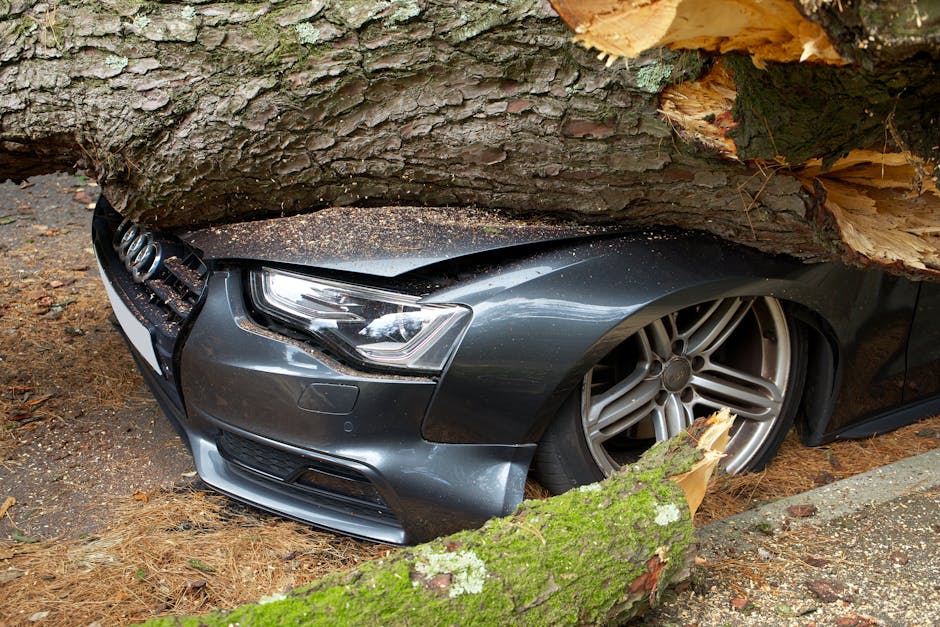
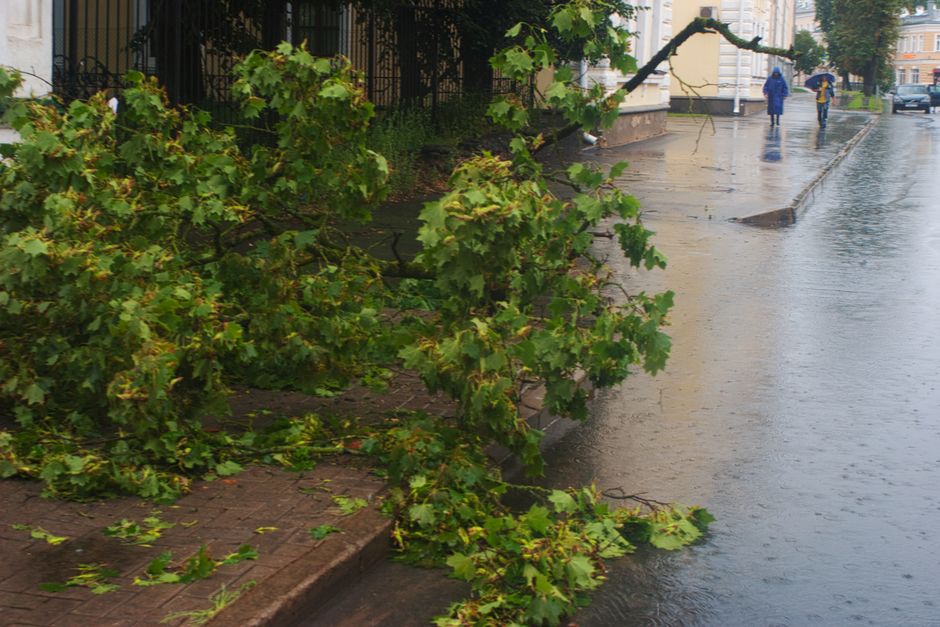
Emergency gardeners in Ruislip same day storm damage callouts: fast, practical help when the weather turns
Storms have a habit of arriving at the worst possible time. One minute your garden looks tired but manageable, the next you're staring at a broken fence panel, a snapped branch, scattered pots, and soil everywhere. If you need Emergency gardeners in Ruislip same day storm damage callouts, the goal is simple: make the space safe, stop the damage getting worse, and get the garden back under control as quickly as possible. This guide explains what emergency garden callouts cover, how the process works, what to expect, and how to choose the right help without making a rushed decision you later regret.
It is not just about tidying up. After heavy rain, wind, or hail, gardens can become hazardous fast. Loose limbs, unstable trees, damaged decking, soaked borders, and blocked access paths can create real risks. The good news? A same-day response can often stabilise the situation before it turns into a bigger repair job.
Table of Contents
- Why emergency storm damage callouts matter
- How same-day emergency garden callouts work
- Key benefits and practical advantages
- Who this is for and when it makes sense
- Step-by-step guidance
- Expert tips for better results
- Common mistakes to avoid
- Tools, resources and recommendations
- Law, compliance, standards and best practice
- Options, methods and comparison table
- Case study or real-world example
- Practical checklist
- Conclusion
- Frequently asked questions
Why Emergency gardeners in Ruislip same day storm damage callouts Matters
Storm damage in a garden is rarely just cosmetic. A few torn branches or a collapsed trellis might seem minor at first glance, but let's face it, gardens have a knack for hiding the real problem until you look closely. A loose fence can expose your property. A fallen limb can block a driveway. Waterlogged soil can shift paving. And a damaged tree can become unstable in ways that are difficult to judge safely from ground level.
In Ruislip, where homes often have mature planting, fences, sheds, decking, and well-used outdoor spaces, storm-related issues can spread quickly across a whole garden. You may need help not only with visible debris but also with structural tidying, vegetation reduction, and access restoration. That is where an emergency gardener earns their keep: by dealing with the immediate mess and reducing the chance of further damage.
Same-day callouts matter because timing changes the outcome. A branch left hanging for several hours can fall in the next gust. A saturated area can become a slip hazard. A broken panel can allow more wind into the garden and worsen the damage. Quick action often means smaller repair bills, fewer safety concerns, and a garden that feels manageable again rather than overwhelming.
Expert summary: In a storm-damaged garden, the first job is not perfection. It is safety, stabilisation, and sensible cleanup. Pretty comes later.
If you are comparing broader support options, it can help to review the full range of garden services overview before deciding what needs urgent attention and what can wait until the weather settles.
How Emergency gardeners in Ruislip same day storm damage callouts Works
A same-day emergency callout usually follows a fairly clear pattern, though every job is a little different. A good gardener will want to understand what happened, how severe the damage is, whether the site is safe to access, and what the priority should be. You might be asked for photos first. That is not delays for the sake of it; it helps the team arrive with the right tools and enough time set aside.
The response can include light debris clearance, branch removal, hedge recovery, fence-line tidying, temporary securing of loose garden features, and advice on what requires a specialist, such as major tree work or structural repair. If the issue involves larger limbs or a potentially dangerous tree, the work may need to be handled under the right safety precautions and may overlap with tree lopping and removal rather than a simple garden tidy.
In practical terms, the process often looks like this:
- You describe the damage and share any photos you can.
- The gardener assesses urgency, access, and likely hazards.
- A same-day appointment is arranged where possible.
- The team arrives, makes the area safe, and clears the worst of the damage.
- Any follow-up work is explained clearly, along with next steps.
Sometimes the first visit is really a stabilisation visit. That means the team focuses on reducing danger and making the garden usable again, not on full restoration. To be fair, that is exactly what many people need after a storm. You do not always need a big redesign; sometimes you just need the place to stop looking like a small disaster zone.
Where storm debris has left the whole space cluttered, a combined approach may also include garden clearance to remove broken material, fallen growth, and waste that has built up after the weather.
Key Benefits and Practical Advantages
The main benefit of a same-day callout is obvious: speed. But speed alone is not the whole story. Good emergency gardening is about preventing escalation. That distinction matters because a quick, sensible response can save time later.
- Reduced safety risks: Loose branches, unstable trees, and slippery surfaces are dealt with quickly.
- Less secondary damage: Clearing drainage-blocking debris and securing loose items can prevent wider problems.
- Faster property recovery: Access paths, gates, driveways, and patios become usable again sooner.
- Better decision-making: You get a calm, practical view of what needs immediate attention and what can wait.
- Cleaner handover to follow-up trades: If fencing, decking, or landscaping repairs are needed later, the site is already safer and easier to work on.
There is also a psychological benefit people often underestimate. After a storm, a messy garden can feel oddly stressful, even if the damage is technically minor. You keep looking out the window at the same fallen branch or mangled border, and it nags at you. Getting it sorted properly tends to settle the whole house down. Strange, but true.
If the damage has affected a lawn, paths, or borders, routine restoration might later blend into garden maintenance so the space returns to normal rather than just being patched up.
Who This Is For and When It Makes Sense
Emergency storm damage callouts are not just for obvious disasters. They are useful any time the garden has become unsafe, hard to use, or vulnerable to further damage. Homeowners, landlords, letting agents, property managers, and business owners with outdoor areas all benefit from the same principle: respond early, not after the next downpour.
This kind of service makes sense if you are dealing with any of the following:
- collapsed or leaning fence panels
- broken branches on lawns, paths, or roofs
- hedges flattened or split by wind
- overgrown or storm-battered growth blocking access
- debris scattered across a patio or driveway
- waterlogged, messy, or obstructed garden areas
- damaged decking edges, steps, or surrounding planting
If a storm has left your garden difficult to enter, a rapid tidy may also need broader exterior work. For example, damaged planting beds can drift into a larger reshaping job, or a collapsed area around a terrace may later require decking services or general landscaping attention once the site is stable.
There is also a quiet category of "nearly urgent" jobs. These are the ones people hesitate over. A branch is hanging, but not fully down. A hedge is pushed over, but still rooted. The garden looks okay from the kitchen window, yet you know it is not right. That is usually the moment to act. Waiting can be fine, but sometimes it is just optimism in a raincoat.
Step-by-Step Guidance
If you need help after storm damage, a simple process keeps things calmer and safer. You do not need to overthink it. In fact, overthinking often slows people down just when the garden needs a practical response.
1. Do a safe visual check
Look from a distance first. Do not walk under hanging branches or step onto unstable ground. Check for blocked access, broken glass, sharp debris, exposed fixings, and anything that could fall if the wind picks up again.
2. Take a few clear photos
Photos help the gardener judge urgency and prepare the right tools. A few wide shots and one or two close-ups are usually enough. If the weather is still rough, keep it quick. No need for a dramatic photo essay, despite what your phone gallery may suggest.
3. Prioritise hazards before appearance
The first question should be: what is unsafe or likely to get worse? That could be a branch near a path, a loose gate, or garden waste blocking drainage. The appearance can wait a little while the dangerous bits are handled.
4. Request a same-day visit if access and urgency justify it
Be clear about the impact. Is the front or back garden blocked? Is the property exposed to more wind? Is the issue affecting children, pets, tenants, or visitors? The clearer you are, the easier it is to plan a proper response.
5. Confirm what the callout covers
Ask whether the visit includes debris clearance, branch cutting, green waste removal, hedge stabilisation, or temporary securing. Some jobs need a quick fix now and a fuller tidy later. That is normal.
6. Arrange follow-up work if needed
Once the immediate danger is gone, you may decide to schedule longer-term work such as hedge trimming, lawn recovery, or broader landscaping. Emergency work and longer-term improvement often fit together nicely once the dust settles.
A good rule of thumb: the emergency visit should make the site safe and manageable. It does not have to solve every garden problem in one go. Honestly, expecting that is how people end up disappointed.
Expert Tips for Better Results
Over the years, one thing becomes clear: the best outcomes usually come from calm, straightforward decisions. A few sensible choices make the whole process smoother.
- Send photos early. It saves time and helps the team arrive ready.
- Be honest about access. Narrow side passages, locked gates, pets, and unstable paving matter.
- Ask what is urgent and what is cosmetic. That distinction can save money and stress.
- Keep children and pets away. Even tidy-looking storm debris can hide sharp edges or unstable pieces.
- Expect wet, muddy conditions. A realistic mindset makes the visit feel far less chaotic.
- Keep useful contact details handy. If the gardener needs clarification while on site, you do not want to be hunting through messages under a torch.
Another useful tip: if storm damage has mixed with general clutter, do not be shy about requesting a broader clean-up rather than a narrow fix. A garden can look technically repaired but still feel messy and awkward. If that is the case, a follow-on garden clearance is often the most sensible next move.
Also, try to think in zones. Front access, side access, patio, lawn, borders, tree line. Breaking the job down that way helps you and the gardener talk about the same thing. Much less confusion. Much less faff.
Common Mistakes to Avoid
Storm damage makes people rush, which is understandable. But the wrong first move can make a manageable job harder, or even unsafe.
- Walking into unsafe areas: Do not stand under hanging limbs or lean on damaged structures.
- Trying to cut large branches yourself: Bigger wood can shift suddenly, especially when wet.
- Ignoring hidden damage: A fence may look fine while the base has actually shifted.
- Focusing only on what you can see: Blocked drains, compacted soil, and damaged roots can matter too.
- Choosing on speed alone: Same-day is useful, but clarity and safe working practices matter as well.
- Leaving waste in piles for days: Damp green waste attracts mess, smells, and more slipping hazards.
One of the most common mistakes is underestimating tree-related risk. A branch that looks small from the ground can still be attached in a way that makes it dangerous to move. If the issue seems tree-related rather than simple debris, it is safer to ask whether it sits within tree work rather than trying to force a quick tidy.
And yes, we have all seen the "I'll just deal with it later" approach. Later often arrives with more wind. Funny how that works.
Tools, Resources and Recommendations
Emergency garden work is only as good as the tools and planning behind it. You do not need to know every tool by name, but it helps to understand what a good team may use and why.
- Hand tools: for light cutting, pruning, and neatening edges.
- Loppers and saws: for thicker branches and broken limbs.
- Wheelbarrows and bags: for moving debris efficiently without creating more mess.
- Securing materials: useful for temporarily stabilising loose items until a full repair is arranged.
- Protective equipment: gloves, sturdy footwear, eye protection, and weather-appropriate clothing.
For a reliable service journey, it helps to review the company's practical information too. The pricing and quotes page is useful if you want to understand how estimates may be handled, while payment and security gives reassurance around how transactions are managed.
You may also want to look at company information pages that speak to trust and working standards. For example, the insurance and safety page and the health and safety policy are worth checking if you are letting someone work on a potentially hazardous site.
If you care about what happens to the waste after collection, the recycling and sustainability page is a useful indicator of how green waste and materials may be handled responsibly.
Law, Compliance, Standards and Best Practice
Storm damage work in gardens often touches on safety, access, and waste handling. While the exact requirements depend on the job, there are a few sensible UK best-practice principles to keep in mind.
First, any work around unstable trees, damaged structures, or slippery surfaces should be approached cautiously. A professional should assess risk before lifting, cutting, or moving anything heavy or potentially shifting. Second, if waste is being removed, it should be handled responsibly and not dumped in a way that creates nuisance or environmental problems. Third, where work is near neighbours, paths, or shared access, good communication matters. Small things, but they save a lot of trouble.
For customers, the most practical compliance question is often not legal jargon. It is this: is the work being done safely, and is the team prepared for the actual conditions on site? That includes proper clothing, sensible working methods, and awareness of the weather. A wet garden at 8 a.m. on a windy morning is not the same as a dry tidy-up on a calm afternoon. Obvious, perhaps, but worth stating.
If you are comparing providers, check that they explain how they manage safety, how they deal with debris, and what happens if they discover a bigger issue during the visit. Straight answers are a good sign. Vague answers are not. Simple as that.
Options, Methods and Comparison Table
Not every storm-damaged garden needs the same response. Sometimes a quick tidy is enough. Sometimes you need a more structured clearance. And sometimes the best option is to stabilise the site now and return later for fuller restoration.
| Approach | Best for | Strengths | Limitations |
|---|---|---|---|
| Emergency same-day callout | Immediate hazards, blocked access, visible storm damage | Fast response, safety first, quick stabilisation | May not include full restoration |
| Garden clearance | Large volumes of debris, broken plant material, clutter | Removes mess efficiently, improves usability | May not address structural issues |
| Tree work | Hanging branches, damaged trees, larger woody material | Handles higher-risk vegetation properly | May need more specialist attention |
| Follow-on maintenance or landscaping | Recovery after the emergency is handled | Restores appearance and long-term function | Not a same-day fix in most cases |
For many homeowners, the smartest route is a two-stage one: deal with immediate danger, then plan the recovery. That feels more realistic, and usually it is. If your garden has taken a proper battering, trying to force everything into one visit can be a bit optimistic, even by London standards.
Case Study or Real-World Example
Picture a typical windy evening in Ruislip. By morning, a homeowner finds that a medium branch has come down across the lawn, a fence panel has cracked near the side return, and wet leaves have blown across the path to the back gate. Nothing is fully catastrophic, but the garden is awkward to use and the broken fence has left the area exposed.
The first step is a safe check from a distance. The homeowner notices that one branch is still partly attached and rubbing against another limb. That makes the situation more urgent. A same-day callout is arranged. On arrival, the immediate task is to make the area safe, remove loose debris, and clear the access route. The unstable branch is dealt with carefully, the fence line is made more secure, and the worst waste is removed. The garden is not perfect at the end of the visit, but it is safe, usable, and much calmer.
A few days later, once the weather settles, the homeowner arranges a follow-up tidy and reviews whether the damaged planting bed and fence need longer-term work. That layered approach is often the best one. No drama. No overcomplication. Just sensible recovery.
That kind of response is especially helpful when a garden has to stay usable for family, tenants, or visitors. You do not always have the luxury of waiting a week for the weather to behave itself, do you?
Practical Checklist
Use this quick checklist before and during an emergency callout. It helps keep things grounded when the garden looks chaotic.
- Identify any immediate danger, especially hanging branches or unstable structures.
- Keep children, pets, and visitors away from the damaged area.
- Take a few photos for reference and assessment.
- Clear a safe access route if you can do so without going near hazards.
- Note any blocked drains, damaged gates, or broken panels.
- Ask whether the work is a stabilisation visit or a full clearance.
- Check whether tree-related work may need a different approach.
- Confirm how debris will be removed and what happens to the waste.
- Plan follow-up maintenance if the garden needs a fuller recovery.
- Keep a record of the job if you manage the property for someone else.
Practical takeaway: treat the first visit as a safety-and-recovery step, not a beauty contest. That mindset saves time and stress.
If you want a straightforward next step, start by reviewing the team's approach on the about us page, then use the contact us page to describe the damage clearly and ask for availability.
Get a free quote today and see how much you can save.
Conclusion
Storm damage in a garden can feel messy, sudden, and a bit unfair. One hour everything is fine, the next you are dealing with branches, splintered timber, and a lawn that looks like it has had a rough night. The right emergency gardening response in Ruislip is not about overpromising. It is about showing up quickly, making the space safe, and helping you move from panic to plan.
If you are facing a same-day storm damage situation, the best outcome usually comes from calm priorities: check safely, report clearly, deal with the hazards first, and leave the deeper restoration for the next stage. That way the garden gets properly sorted, not just quickly patched.
And once the wind drops and the place is quiet again, it is amazing how much better the whole home feels. Even a small recovery can make a big difference.
Frequently Asked Questions
What counts as an emergency garden callout after a storm?
Anything that creates an immediate safety issue, access problem, or risk of further damage can count as an emergency. That usually includes hanging branches, fallen limbs, damaged fences, blocked paths, and debris that could move in the wind.
Can emergency gardeners come the same day in Ruislip?
Often, yes, if the damage is urgent and the schedule allows. The quickest response usually happens when you provide clear photos, an accurate description, and access details early.
Will the gardener remove fallen trees or just clear small debris?
It depends on the size and risk level of the job. Small debris and broken branches are often part of an emergency callout, but larger tree issues may need dedicated tree work or a more specialised approach.
What should I do before the gardener arrives?
Stay away from unstable areas, keep children and pets clear, and take photos if it is safe to do so. If you can, unlock access gates and make sure the team can reach the damaged part of the garden without going near hazards.
How do I know whether I need garden clearance or emergency help?
If the main issue is immediate danger or something that could get worse quickly, emergency help is the better fit. If the area is messy but not unsafe, garden clearance may be enough.
Is storm damage gardening different from regular garden maintenance?
Yes. Regular maintenance is planned, routine work. Storm damage response is reactive and usually focuses on safety, cleanup, and stabilisation before any cosmetic improvements.
Will a same-day callout include waste removal?
It often does, but you should always confirm this in advance. Some callouts include removal of the main debris, while larger volumes or extra waste may be handled as a follow-on job.
What if the storm damage is near a fence or decked area?
Then the gardener may need to assess whether the issue is just superficial damage or whether there is a structural concern. If the area around the fence or deck has been affected, a follow-up repair or specialist service may be sensible.
How much does an emergency garden callout cost?
Costs vary depending on urgency, job size, access, and the amount of work involved. The fairest approach is to request a clear quote and ask what is included, especially if the job may expand once the team is on site.
Should I try to cut broken branches myself?
Only if they are small, clearly safe, and easy to reach without standing under anything unstable. Larger or partly attached branches can shift unexpectedly, so it is usually safer to leave those to a professional.
What happens if the gardener finds more damage than expected?
They should explain it clearly and suggest the safest next step. Sometimes the emergency visit becomes a two-stage job: immediate stabilisation first, then more detailed repair or tidy-up later.
How do I choose a reliable emergency gardener?
Look for clear communication, sensible safety information, transparent pricing, and a practical approach to waste removal and follow-up work. Helpful trust pages such as about, safety, and payment information can also give you more confidence before you book.